

- Me and my friends heading to the airport to head to the Dominican Republic- naive about all the work that went into the trip
On my first international trip to the Dominican Republic, I had to prepare way more than I originally thought I would. I hoped to just pack a bag, grab my passport, hop on aplane and go. Again, I was wrong. There are many more steps to planning for an international trip, and they are steps many people don’t think about when they say, “I want to go travel the world.” To ensure that everyone has a safe and well prepared international trip, I outlined below a few main tips and tricks, based on experience and research, to making sure that you are ready to sit in your airplane seat without any worries of what is to come.
Health
- Check-in with your doctor: In many countries, before you visit, your doctor will suggest for you to get certain vaccinations that are not necessary for living in the United States. Before I went to the Dominican Republic, I had to get two shots to protect me from illnesses and diseases I could possibly catch while in the country.
- Medical Insurance: Call your insurance provider and check to make sure that your emergency policy applies overseas. If you don’t check, and then you get into a problem where your health is at risk, you could end up stuck paying a lot for the health care you get in the country’s hospital.
Money
- Credit Cards: Before doing anything, make sure you call your bank or credit card company and find out if your card type will work in the country you’re visiting – especially if you are traveling to Europe. Most of the banks and stores in Europe rely on the secure chips and pin technology, and have strayed away from using magnetic strips. Calling the bank will also let them be aware of the trip, and therefore they won’t assume fraud is happening, which could lead to them shutting down the card.
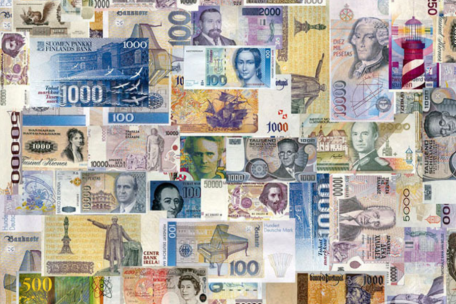
The different currencies from European countries - Cash: If you are planning to use cash while on your trip, make sure to first look up the monetary conversion before you go. Once you know the currency and arrive in the country, make sure to visit a local bank or ATM. These two conversions sites will not charge you any extra fees for the exchange, and the amount will be exact. It is important to have some local cash, in case a store/restaurant does not take credit cards.
- Entrance/Exit Fees: Make sure you look up if there are entrance and exit fees for the country. These fees can be anywhere from $20-$200, so be aware of what it will be before you get on your flight.
Destination Research:
- Reserve your spot now: When visiting a new country, it is hard to try and fit in everything you want to do. However, you can make it more possible if you plan and reserve your spots ahead. Pick your top activities you want to do or attractions you want to see and if you have to get tickets, make sure to get yours so that you don’t miss out!
- Look up events: When traveling, especially to larger cities, most times there can be one day events going on. Concerts, festivals, food markets, their country’s holidays,

The Marathon de Médoc in France- an example of an event you could go to while traveling international royal weddings, parades. If you want to maximize your trip, and dive right into the culture of the country, the city’s events are the perfect way to do so!
Traveling internationally can be exciting and sometimes overwhelming, especially if you don’t prepare for it. My list of tips, based on experience and research, are not the only things you should do to prepare, BUT they are definitely a good start. Happy (early) holidays, and see you next week on The Road Most (Knowledgeably) Traveled.
 The Road Most (Knowledgeably) Traveled
Leave a comment